
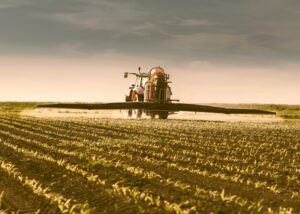








Farmers spread about a billion pounds of pesticides on U.S. crops annually, or about 3 pounds for every American. The full range of impacts are unknown due to the varying effects of hundreds of agricultural pesticides, the additional “inert” ingredients, the unstudied effects of chemicals in combination, the lag time for slowly degrading ecosystems, and the EPA’s ineffective regulatory oversight.
Pesticide risks offer a rare point of agreement among Republicans and Democrats. According to one recent study, more than 60% of adults from both parties believe there is not enough regulation of pesticides used in agriculture. This bipartisan demand for action is undoubtedly fueled by the high levels of uncertainty about what pesticides are doing to human health and the natural world.
Also obscured is that factory farm feed crops are the largest users of the 3 most widely used pesticides. Meat consumption, driving feed crop demand, plays a central role in our nationwide pesticide experiment. How much damage have these chemicals done, and how much will they do? It’s a big gamble, made riskier by all that we don’t know.
The known risks – Scientists and the EPA are fully aware that pesticides are damaging biodiversity either directly or via degraded ecosystems. After all, pesticides are made to kill plants and animals, harming both the “good ones” and the “bad.” While the impacts on human health are harder to ascertain and therefore controversial, each year there are more studies showing connections to cancer, reproductive health, neurological disease, and other adverse health impacts. Still, it’s the aspects of pesticide use that are unstudied or unknowable that are most troubling.
So-called “inert ingredients” – Most toxicity assessments of pesticides are done on the “active ingredients.” But these main ingredients are accompanied by many other chemicals, called “inert” by the EPA (or “co-formulants” in the EU). Glyphosate, for example, in various formulations of Roundup, is mixed with chemicals that aid the active ingredient’s usability or effectiveness. Studies have shown that one of these inert ingredients, known as POEA (polyethoxylated tallow amines), is more toxic for aquatic organisms than glyphosate itself. Even though the EPA cautions that inert “does not mean non-toxic,” these substances are considered “confidential business information” that undergo less research, have less stringent regulations, and little public disclosure.
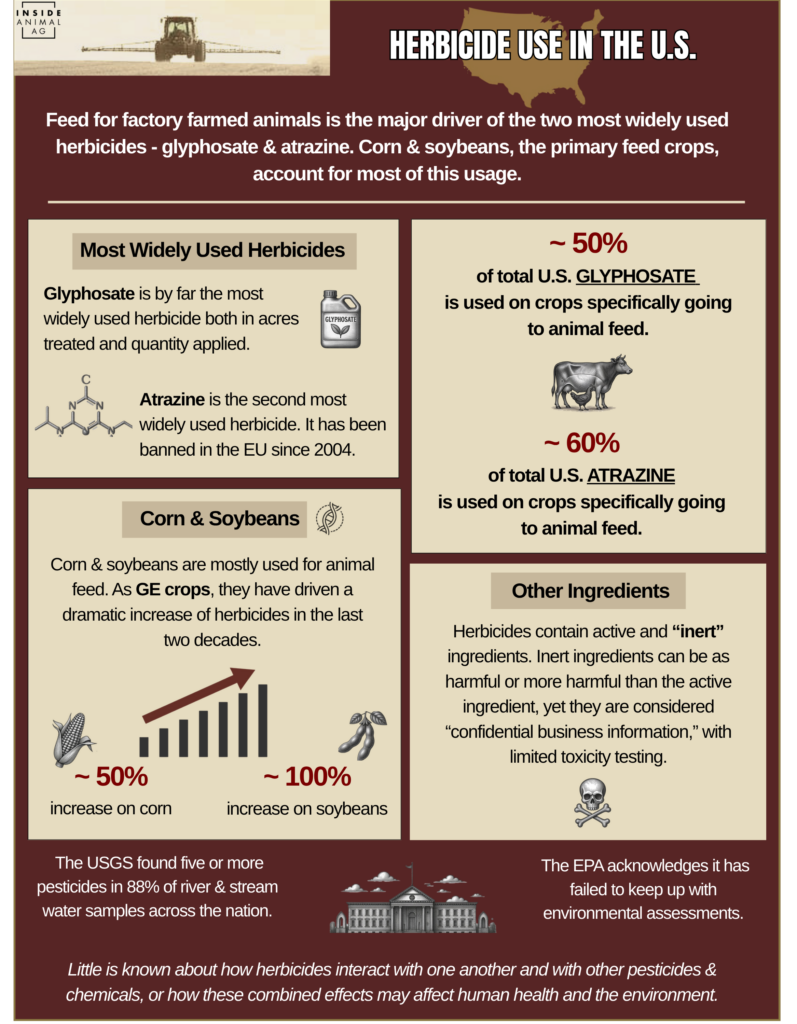
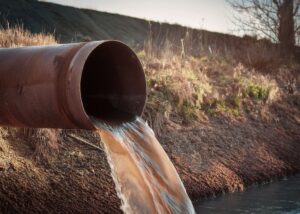
Chemicals in combinations – There are 5 or more identifiable pesticides in almost 90% of river and stream water samples across the nation. On average, crops receive more than two pesticides. In fact, pesticides are now sold in pre-mixed formulas, many of which already contain combinations of active ingredients along with inert substances. For instance, among Bayer’s premixed herbicide formulas is Harness Xtra, used primarily on corn. It combines acetochlor and atrazine, both active herbicide ingredients that are toxic to aquatic species. This formula is often mixed in the farmer’s spray tank with glyphosate, or other herbicides such as 2,4-D and dicamba. What we don’t know and what is perilously understudied is what happens when a pesticide’s active ingredient is combined with other active and inert ingredients.
Regulatory ineffectiveness – The EPA relies heavily on industry-generated research, creating obvious conflicts of interest. And most of that industry research is on the active ingredients. As the EPA acknowledged, their manpower has been overwhelmed by the 17,000 registered pesticide products, including 1,200 active ingredients, of which about 400 are agricultural. The agency notes, “The reasons for this failure are multifold, including the unusual complexity of Endangered Species Act pesticide reviews.”
The state of biodiversity – NatureServe, the premier assessor of the state of biodiversity in the U.S., estimates that 34% of plant species and 40% of animal species in the U.S. are at risk of extinction. The highest at-risk categories are aquatic species, for which pollution is the primary threat. More than 40% of ecosystems are at risk of range-wide collapse. It is hard to predict the future effects of the vast intermingling of chemicals, as species and ecosystems undergo steady losses from continuing complex exposures.
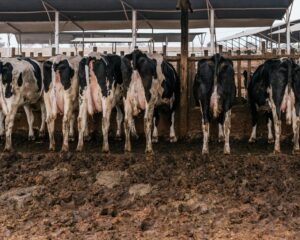
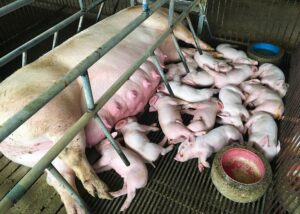
Factory farming’s role – About 55% of total harvested cropland in the U.S. is used for animal feed.
More than half of glyphosate and atrazine, the two most widely used herbicides, goes on crops specifically used for feed. About half of neonics, the most common and most damaging insecticide, is used for feed.
To keep yields high and labor costs down, these pesticides are used on many millions of acres of corn and soybeans, most of which goes to feed factory farmed animals.
As a society, we currently accept these known and unknown risks in the service of low-margin, highly subsidized, often unprofitable, monoculture crops. We may not find out the actual costs for years to come. Ecosystems, once changed, don’t often go back to their original state. And species, once extinct, never do. Thankfully, many people throughout the nation are asking for changes to this system. The disappearing plants and animals, poisoned by pesticides, are sending us that same urgent message.