
Nitrates in Drinking Water
KEY POINTS – Nitrates in Drinking Water 1. Nitrates in drinking water are a significant, though poorly understood health threat; the risks include blue baby syndrome, birth defects, low birth weights, and several types of cancers. 2. Most studies suggest that the EPA’s current maximum contaminant level (MCL) underestimates the threat. 3. Nitrates often contaminate […]
Unpacking the “National Security” Implications of Glyphosate

The claim that glyphosate is crucial to U.S. agricultural productivity and food security is a smokescreen. The true national security concern is that the government encourages farmers to grow cheap monoculture feed crops in some of the most fertile soil on earth instead of growing healthy food for humans.
Factory Farming is the Primary Driver of U.S. Water Pollution
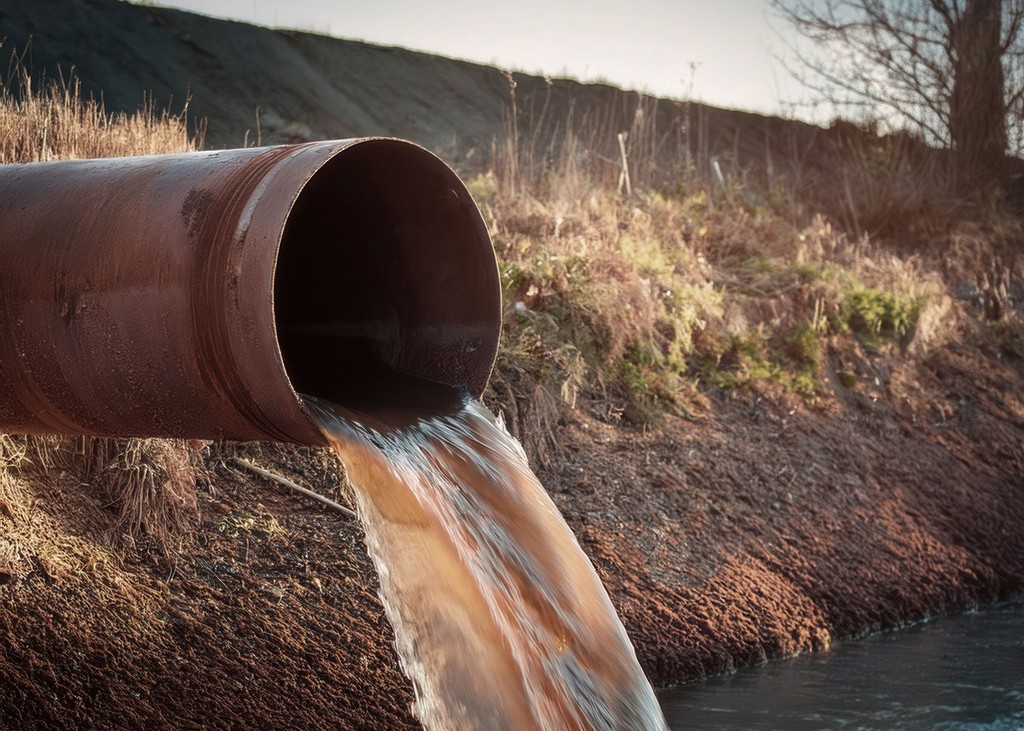
For decades, our society and our government have failed to address nutrient pollution from the factory farming and feed crop system despite an understanding among some EPA scientists that this is the central water pollution issue in the country.
Manure Amounts by Animal Type
What is the definition of an animal unit? An animal unit (AU) is a measure that represents 1,000 pounds of live weight of farmed animals. It can be used to measure the total weight of a single type of animal on a farm or on a group of farms. It can also be used to […]
Total Manure Weight
Animals raised for food produce how much waste annually? There are many estimates. We think the most credible is a 2016 USDA report estimating that U.S. farmed animals produced approximately 1.23 billion tons (about 2.5 trillion pounds) of manure in 2012.[1] This report is based on information from the 2012 U.S. Census of Agriculture and […]
Total Manure Nutrient Pollution
Key Points – Manure Nutrient Pollution 1. Broadly estimated, ~90% of the key nutrients (N & P) in manure are dispersed into the environment. 2. About 10% of the total manure nitrogen (N) from factory farms is applied to crops, with an even smaller share effectively incorporated into the soil. 3. About a third to […]
Total Manure Nutrient Volumes
Key Points – Manure Nutrient Volumes 1. Nutrient pollution (excess nitrogen and phosphorus) is one of the most serious environmental problems in the U.S. and globally. 2. Quantifying the significant amounts of manure nutrients (N & P) is an important step in understanding the scope of the problem. 3. The total N & P in […]
Economics of Manure
Why is manure valuable? Manure contains two key nutrients that support plant growth: nitrogen and phosphorus. Correctly applying manure to croplands can improve the chemical, physical, and biological health of the soil and increase the growth of crops.[1,2] Before the advent of chemical fertilizers and factory farming, the use of manure was the primary method […]
Manure Pollution Overview
What is manure? Manure is the urine and feces excreted from animals, and in some operations, includes plant-based bedding materials which have absorbed animal waste products.[1-3] EPA Terminology Services – Terms and Acronyms [“The fecal and urinary excretions of livestock and poultry.] Pagliari, P. et al., (2019) Animal Manure Production and Utilization: Impact of Modern […]
Manure Takeaways
Manure Takeaways Takeaways are key points detailed and referenced in the Manure & Other Outputs section The Manure Problem Nutrient pollution (excess nitrogen and phosphorus) from concentrated manure is one of the central negative externalities of factory farming; nutrient pollution is one of the largest environmental problems in the U.S. and globally. Factory farming has […]