
Mass Killing of Poultry (Avian Flu)
Key Points – Mass Killing of Poultry Banner photo: Glass Walls/We AnimalsTo download chart click here How does the USDA distinguish between euthanasia and mass killings, or “depopulation”? Euthanasia is “transitioning an animal to death as painlessly and stress-free as possible.” Depopulation (what we refer to as mass killing) is “when large numbers of animals […]
Grazing & Land Degradation
6 KEY POINTS – Land Degradation & Grazing 1. Globally, grazing is understood to be the number one driver of land degradation. 2. U.S. grazing lands are undergoing pervasive and accelerating degradation; a broad and conservative estimate is that one-third or more of U.S. grazing lands are degraded. 3. Because grazing makes up the single […]
Factory Farming’s Grazing “Debate”
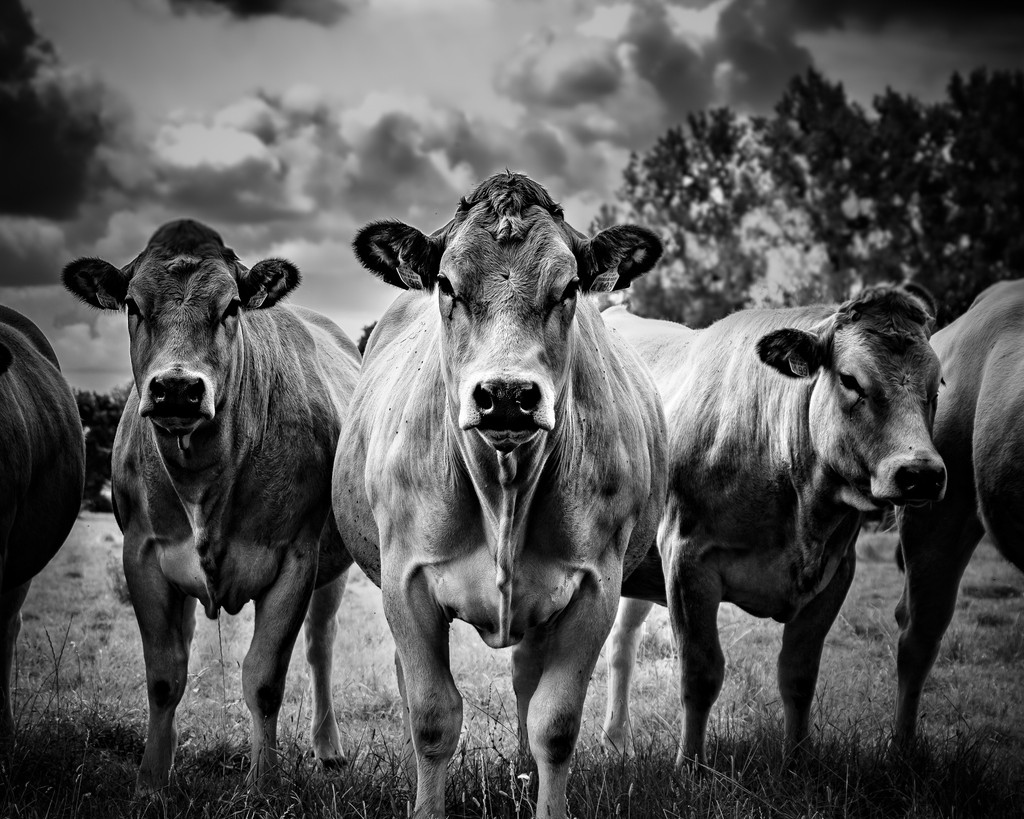
The beef industry and its supporters have kept alive the notion that there is some controversy about whether grazing cattle in America is beneficial for the land. This is despite clear evidence that grazing has degraded land conditions across the nation and that climate change and drought are steadily increasing the toll.
Agricultural Intensification and Disposable Animals
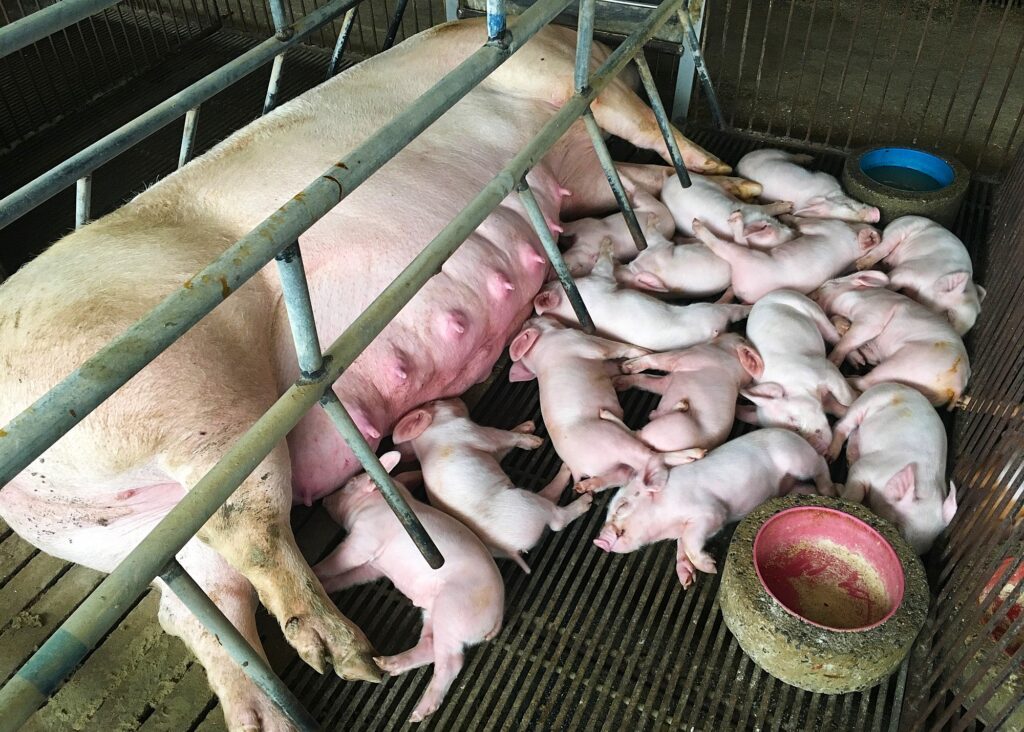
The world of factory farmed pigs is ground zero in the “agricultural intensification” that some tout as the answer for feeding a growing world population. Intensification relies on technological advances to propel increasing yields per unit of land, labor, and capital. Industrial animal agriculture has been on this road for a long time.
Pig Breeding Life
What is the factory farm pig breeding model? The model can be simply stated: use genetics, drugs, and production techniques to maximize the number of slaughter-bound pigs per inventoried sow, while allocating the least amount of space, feed, and labor.[1-3] The deaths of piglets and sows and their suffering is not in the equation, as […]
Land Degradation & Grazing
6 KEY POINTS – Land Degradation & Grazing 1. Globally, grazing is understood to be the number one driver of land degradation. 2. U.S. grazing lands are undergoing pervasive and accelerating degradation; a broad and conservative estimate is that one-third or more of U.S. grazing lands are degraded. 3. Because grazing makes up the single […]
Land Degradation & Animal Ag
KEY POINTS – Land Degradation & Animal Ag 1. Land degradation is generally defined as declining conditions of soil and water resources and the loss of biodiversity; agriculture is understood to be the primary driver globally. 2. The share of U.S lands degraded is obscured due to limited national assessments, a lack of clarity from […]
Global Land Degradation and Agriculture
5 KEY POINTS – Global Land Degradation 1. International organizations generally define land degradation as human-induced declines in the conditions of soil, water, and biodiversity. 2. Land degradation is difficult to assess due to the varying definitions, the complex underlying factors, and a range of assessment methodologies. 3. A reasonable estimate is that about a […]
Infographic – Grazing & Land Degradation
This infographic offers a few key figures on the amount of U.S. land used for grazing and the degradation of both federally and privately owned grazing lands, as well as a snapshot of the how degradation is likely to continue. to download, click here
Inside Corn – How much really goes to animal feed and why it matters
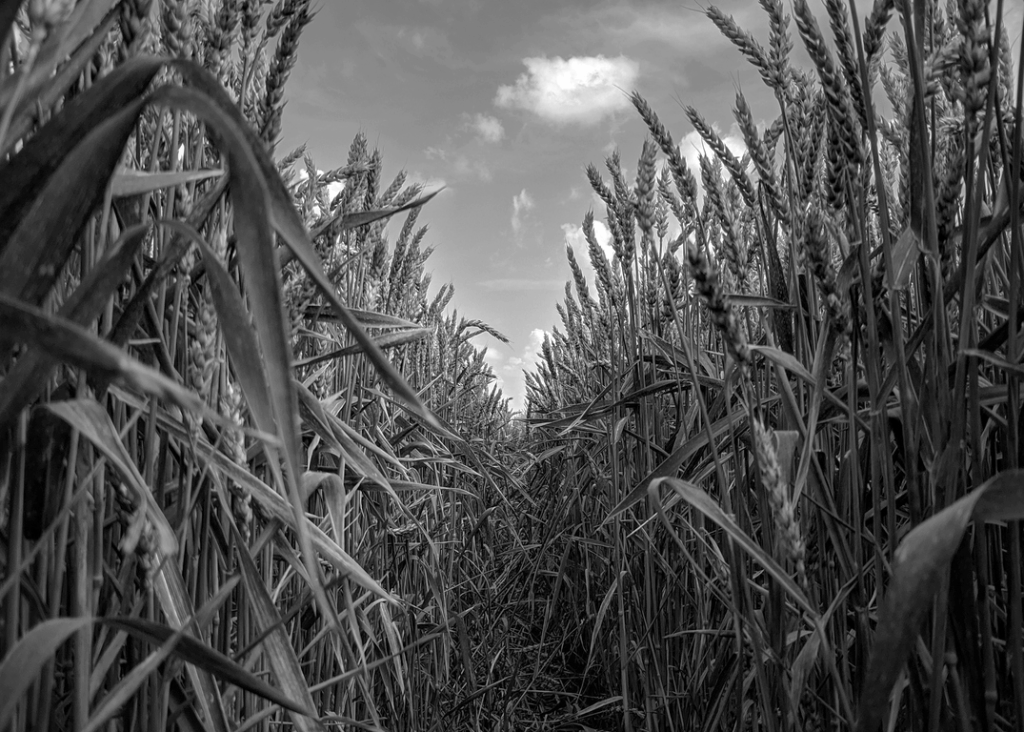
Corn is the largest U.S. crop by acreage and production volume. It is the quintessential industrialized monoculture crop, mostly grown on tracts of more than 500 acres. The corn production system has enormous negative impacts on land, water, soil, and biodiversity. We pay this environmental toll mostly in the service of factory farming.