


If you care about animals, this is a sad time. If you understand how important the natural world is to our own survival, this is a critical time.
Wild mammal populations are about one-seventh the size of pre-human days, as measured by total weight. Humans and farmed animals now dominate the earth, with wild land mammals just 2% of total land mammal biomass.
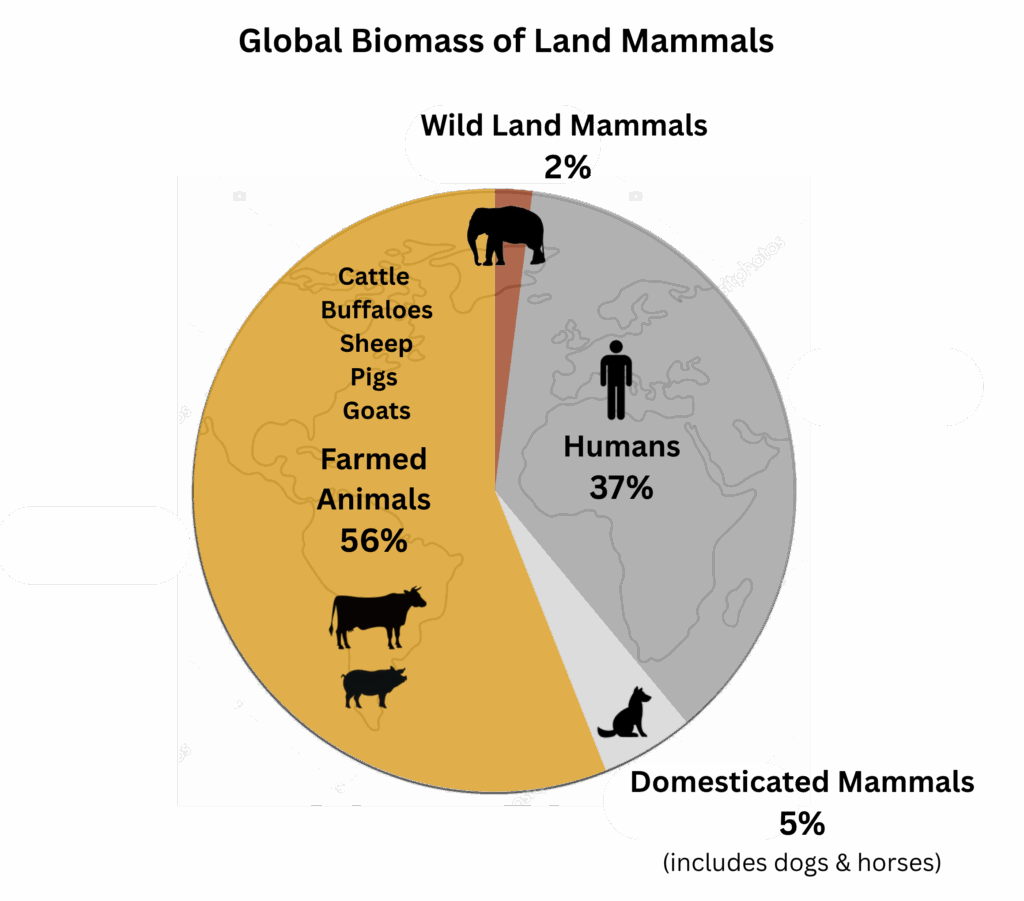
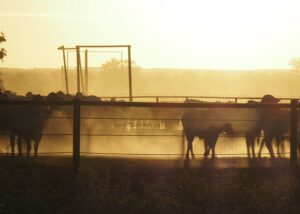
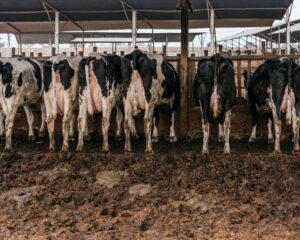
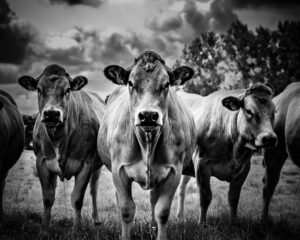
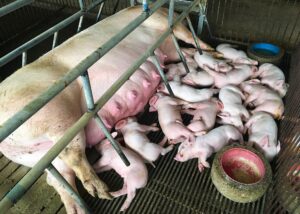
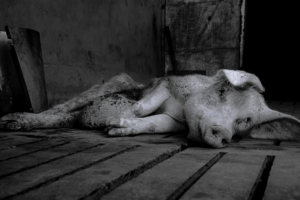
This transformation has been driven by agriculture, with habitat loss due to animal agriculture at the center. We are turning the earth into a farm that produces meat and dairy, carving up natural habitats and taking away resources from wildlife.
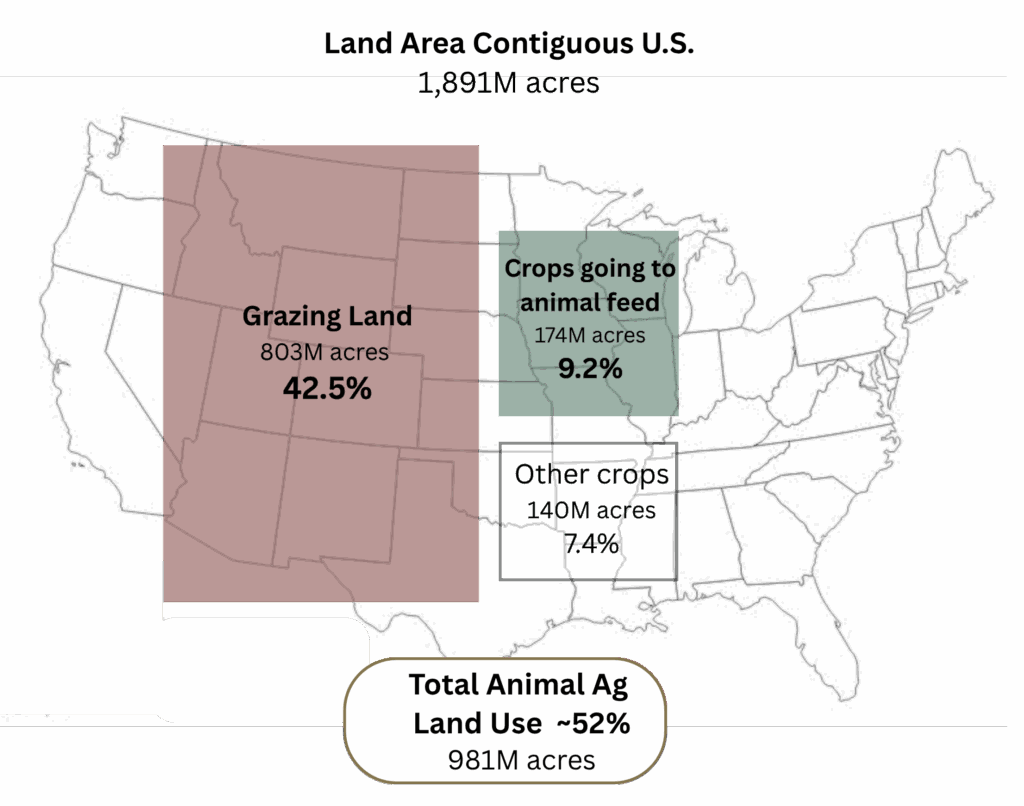 In the U.S. about half of our land is used for animal agriculture. Most of that is for grazing livestock, while the share of crops going specifically to animal feed uses more land than all other crop production.
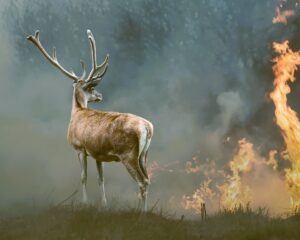
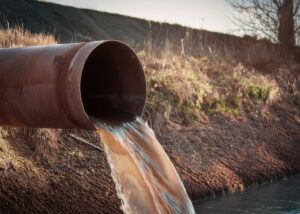
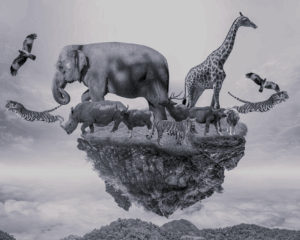
About 40% of U.S. animal species are at risk of extinction. The main drivers? Loss of habitat, water pollution, and water scarcity – mostly from animal agriculture.
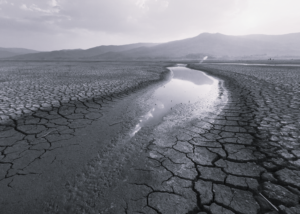
The earth is not silent about her losses. She speaks to us every day in floods, droughts, and heat waves. She reminds us of our interconnectedness. With each species lost, with each natural landscape degraded, we compromise our own ability to survive.
It doesn’t have to be this way. Every step that reduces consumption of animal-sourced foods leaves a little more room for wildlife, a little cleaner water, a little more breathable air. We believe the facts still matter – that’s why we do what we do. We can slow or even reverse the loss of wild places. We can still save parts of the natural world along with our complex and awe-inspiring cohabitants.
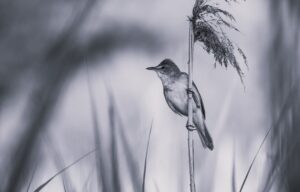
The wild ones can’t live on a farm. We need to give them back their space.